


When heavy rain hits Sarnia-Lambton, one of the most important pieces of equipment protecting your home is the sump pump.
A properly functioning sump pump can help prevent basement flooding, water damage, mold growth, and costly repairs. The problem is that many homeowners don't realize there's an issue until their basement starts taking on water.
Here's what every homeowner should know.
What Does a Sump Pump Do?
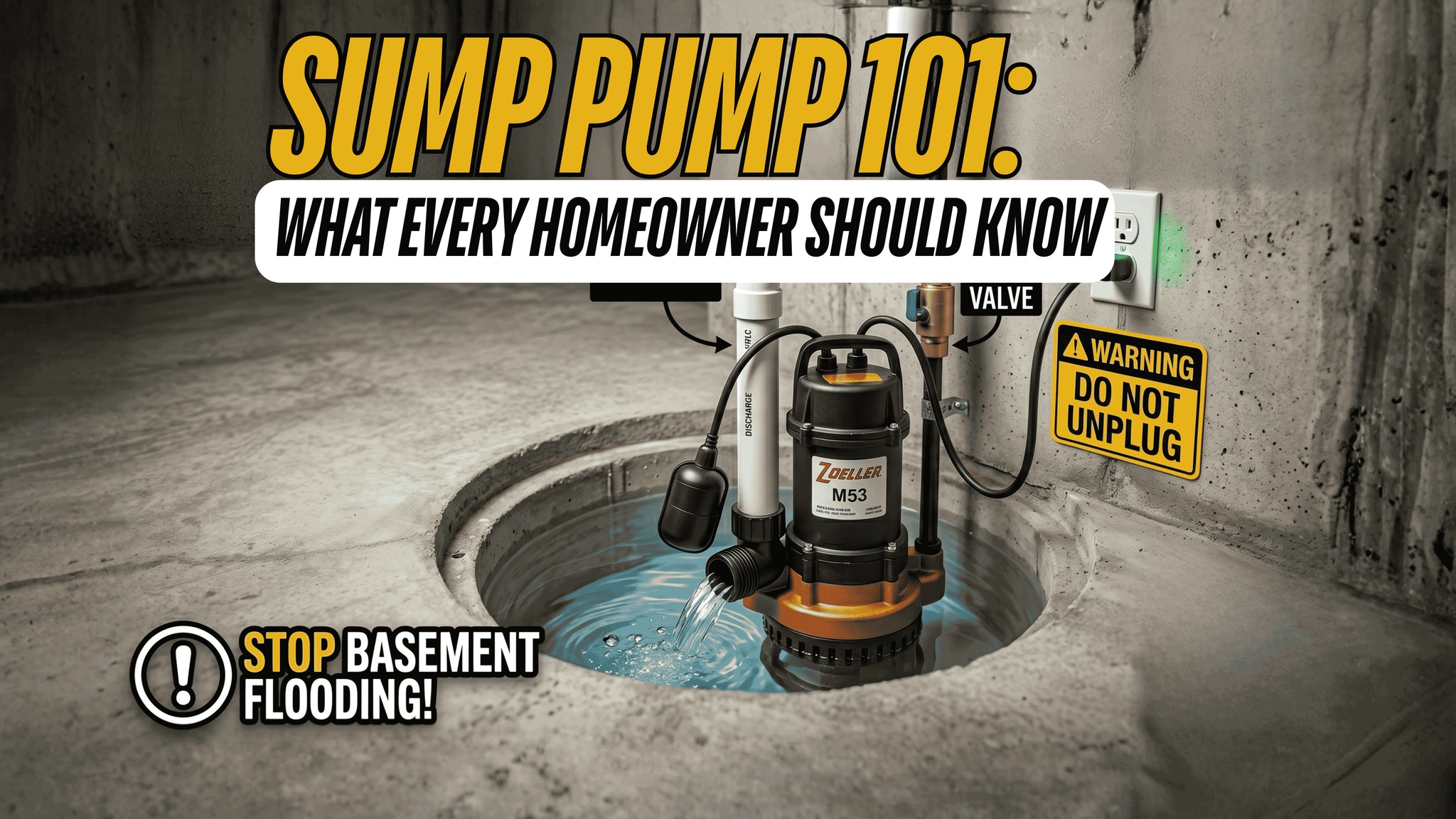
A sump pump is designed to remove excess water from around your home's foundation before it has a chance to enter your basement.
The pump sits inside a sump pit, usually located in the lowest area of the basement. As groundwater or excess moisture collects in the pit, a float switch rises with the water level and activates the pump. The water is then pumped through a discharge pipe and directed safely away from your home.
Think of it as your basement's first line of defense against water intrusion.
Warning Signs Your Sump Pump May Need Attention
Like any mechanical system, sump pumps can wear out over time. Keep an eye out for these common warning signs:
Strange Noises
Grinding, rattling, or excessive vibration can indicate worn parts, debris inside the pump, or mechanical issues that should be inspected.
Constant Running
A sump pump that never seems to shut off may have a stuck float switch, improper sizing, or drainage problems around the property.
Failure to Turn On
If water is collecting in the sump pit but the pump isn't activating, there could be an electrical issue, a failed float switch, or a mechanical problem.
Aging Equipment
Most sump pumps have a lifespan of approximately 7 to 10 years. If yours is approaching that age, consider having it inspected or replaced before it fails unexpectedly.
How to Test Your Sump Pump
Testing your sump pump only takes a few minutes and can provide peace of mind before the next major rainstorm.
Step 1: Check the Power
Make sure the pump is plugged in securely and the outlet is functioning properly.
Step 2: Add Water to the Pit
Using a bucket, slowly pour a few gallons of water into the sump pit.
Step 3: Watch the Float Rise
As the water level increases, the float switch should lift and activate the pump.
Step 4: Confirm the Pump Turns On
The pump should automatically start and begin removing the water from the pit.
Step 5: Check the Discharge Pipe
Verify that water is being discharged away from your home's foundation and not flowing back toward the house.
A Few Minutes of Maintenance Can Save Thousands
A sump pump is easy to forget about—until you need it. Taking a few minutes once or twice a year to test your system can help identify problems before they lead to basement flooding and expensive repairs.
For many homeowners in Sarnia-Lambton, especially those with finished basements, regular sump pump maintenance is one of the simplest and most important home maintenance tasks you can do.
A quick check today could save you a major headache tomorrow.
Check out this article next